
For a first Utah trip, start with the route before you start adding parks. Most first-timers do best with either a southern Utah road trip focused on the national parks or a shorter trip that combines Salt Lake City, Park City, and one red-rock region. A good utah travel guide should help you narrow the plan, because the biggest mistake is trying to cover too much in too few days.
Where to Go in Utah
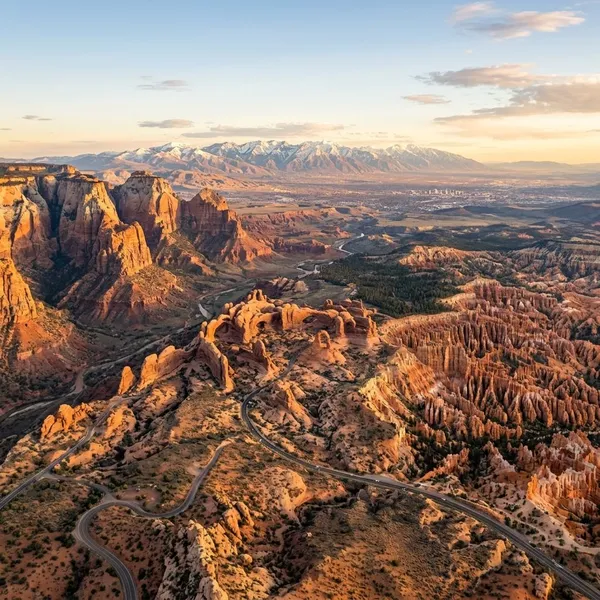
Utah is easiest to plan by clusters. Zion and Bryce work well together, Capitol Reef fits naturally between Bryce and Moab, and Salt Lake City or Park City is best if you want mountains, city comfort, or ski time. If you have one week, choose fewer bases and spend less time packing and driving.
Zion and Bryce Canyon
Zion is the most dramatic first stop if you want canyon walls, shuttle-access viewpoints, and short walks with big scenery. It also takes more planning than many people expect because parking, shuttle timing, and popular trail access can shape your day.
Bryce Canyon is a strong pairing because it feels completely different: higher, cooler, and filled with hoodoos rather than narrow canyon scenery. For a simple first visit, plan two nights near Zion and one night near Bryce. If you are not hiking much, you can still enjoy both through scenic drives, overlooks, and short paved or well-marked paths.
- Best for first impact: Zion Canyon Scenic Drive and the shuttle corridor.
- Best easy Bryce stop: Sunrise Point, Sunset Point, and the rim viewpoints.
- Common mistake: treating Zion and Bryce as quick photo stops on the same rushed day.
Capitol Reef and Scenic Byway 12
Capitol Reef is the place to add when you want breathing room between Utah's busier parks. It has cliffs, orchards, scenic roads, and wide desert views without the same pressure you feel in Zion or Arches.
The drive on Scenic Byway 12 is not just a transfer between Bryce and Capitol Reef. If you enjoy road trips, small towns, overlooks, and changing landscapes, give this stretch most of a day instead of squeezing it between checkout and dinner. This is especially smart for travelers who like scenic stops more than long hikes.
Moab, Arches, and Canyonlands
Moab is the best base for eastern Utah because it puts Arches, Canyonlands, Dead Horse Point, restaurants, outfitters, and groceries in one practical area. Three nights is a comfortable minimum if you want to see both national parks without turning every morning into a race.
Arches is usually easier for a first visit because many famous formations are reached by short walks or roadside stops. Canyonlands is bigger and more spread out; most first-timers choose Island in the Sky for huge views with limited hiking. Check current entry rules for Arches before you go, since timed-entry systems may apply during busy periods.
When to Visit Utah
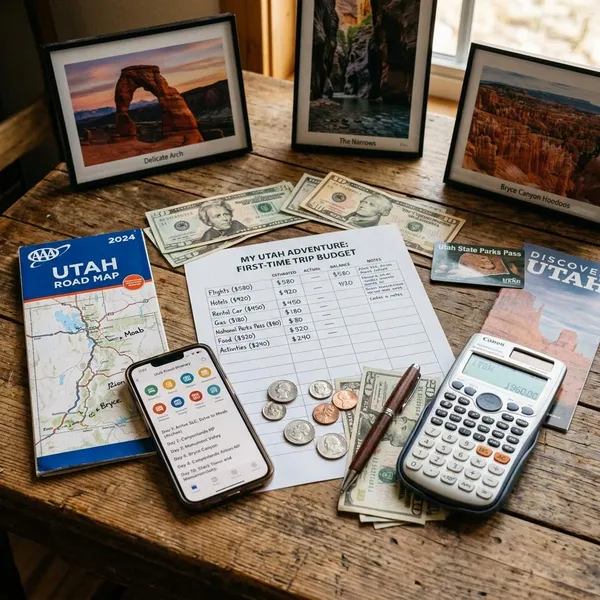
The best season depends on whether your trip is mostly desert parks, mountain towns, or skiing. For a classic first national parks route, spring and fall are usually the easiest seasons. Summer can work with careful timing, while winter is better for flexible travelers who accept shorter days and changing road conditions.
Spring
March through May is one of the best windows for southern Utah. Desert trails are usually more comfortable than in summer, daylight is useful for sightseeing, and the scenery feels lively without the harshest heat.
Pack for elevation changes. Bryce can still be cold, windy, or snowy when lower areas feel mild. If your trip falls around spring break, book Springdale and Moab early rather than assuming you can choose later.
Summer
Summer is doable, but it changes the rhythm of the trip. Plan outdoor time early, use the hottest part of the day for driving, lunch, pools, museums, or shaded breaks, and save viewpoints for late afternoon or sunset.
- Better summer picks: Bryce Canyon, Park City, and higher-elevation stops.
- Use caution: long exposed hikes in Zion, Arches, or Capitol Reef at midday.
- Family scenario: if school holidays are your only option, choose lodging with easy breaks instead of packing every day with trails.
Fall
September and October are often the easiest months for a first Utah road trip. Days are usually warm enough for sightseeing, nights are cooler, and the summer vacation rush has eased in many places.
Fall is also a good season if you want both desert parks and northern mountain scenery. Park City and the canyons near Salt Lake City can have beautiful color, while Moab and Zion remain popular enough that early lodging plans still matter.
Where to Stay in Utah
Where you sleep matters because small distance differences can cost you prime morning hours. For park days, staying close is usually worth more than a slightly nicer room farther away. For travel days, a cheaper base can make sense if it does not force you into repeated backtracking.
Springdale for Zion
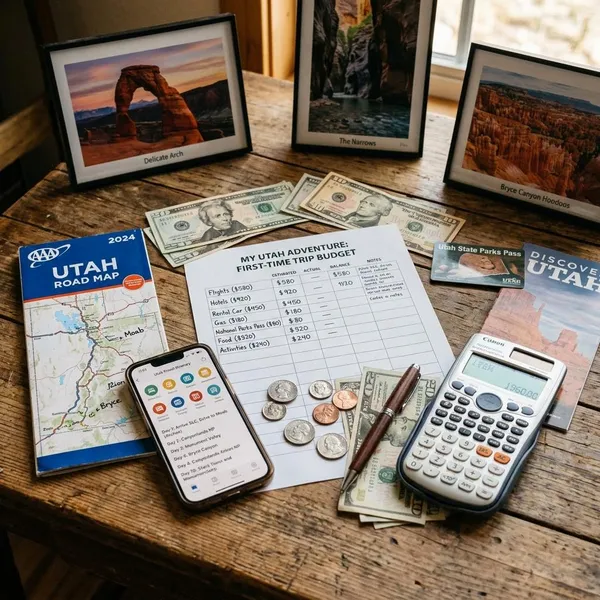
Springdale is the easiest Zion base because it sits by the park entrance and connects well with the shuttle system, restaurants, gear shops, and evening views. If Zion is the highlight of your trip, this convenience can be worth the higher rates.
If the prices feel too high, look at La Verkin, Hurricane, or St. George. That trade-off works better for travelers with a car, early starts, and no need to return to the room during the day.
Bryce Canyon City or Tropic for Bryce Canyon
Bryce Canyon City is the practical choice for sunrise, sunset, and fast park access. It is not the most charming base, but it removes friction if you only have one night.
Tropic is a little farther away and often feels calmer, with a small-town pace that some travelers prefer. Choose Tropic if you value atmosphere and price; choose Bryce Canyon City if you want the simplest park access.
Torrey for Capitol Reef
Torrey is the natural base for Capitol Reef and one of the nicer places to slow down on a southern Utah route. It has enough lodging and food options without feeling as built-up as some gateway towns.
This is a good overnight stop for travelers who dislike constant one-night hops. Staying here gives you time for Capitol Reef, Scenic Byway 12, and a quieter evening instead of treating the area as a drive-through.
Moab for Arches and Canyonlands
Moab has the broadest lodging and dining range of Utah's park towns, which makes it the most convenient base for Arches and Canyonlands. It is also busy, especially in spring and fall, so early booking matters.
Build in recovery time here if your route has already included Zion, Bryce, and Capitol Reef. A slower Moab day with groceries, laundry, a short viewpoint drive, or one guided activity can make the second half of the trip feel much better.
What to Budget for a Utah Trip
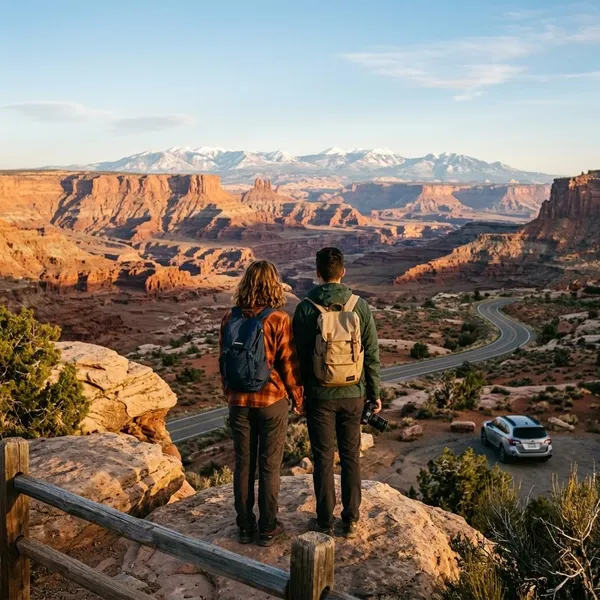
Your biggest costs are usually lodging, rental car, gas, and paid activities. A one-week road trip for two can be moderate if you book early, mix restaurants with groceries, and keep guided tours selective. It gets expensive quickly in Springdale, Moab, and Park City during peak periods.
Hotels and Camping
Park-area hotels are often the budget breaker. In quieter periods, simple motels may be around $100 to $160 per night, while popular towns such as Springdale, Moab, and Park City can push mid-range rooms closer to $180 to $350 or more.
Camping can save money, but it is not always a last-minute backup. Popular campgrounds may require reservations, and private campgrounds can cost more than expected. If you are camping only to cut costs, compare the total effort, gear, weather, and cancellation rules before committing.
Car Rental and Gas
Most first-time Utah trips are much easier with a rental car. A standard car is usually enough for the common national parks route, unless you are intentionally adding rough backroads that require a different vehicle.
- Plan for distance: a southern Utah loop can easily reach 700 to 1,200 miles.
- Do not run low: fill up before remote stretches, especially between small towns.
- Choose comfort: cargo space and easy driving matter more than a flashy vehicle.
Food and Groceries
Food costs are flexible, which makes them one of the easiest places to control the budget. Tourist towns can be pricey, and early park mornings do not always line up with restaurant hours.
A practical approach is to buy breakfast items, snacks, drinks, and picnic basics, then choose one relaxed meal out each day. For two adults, groceries plus one casual restaurant meal can often keep the day reasonable, while two or three restaurant meals in park towns will raise the total fast.
Park Entry and Activities
If you will visit three or more fee-charging national parks, the America the Beautiful pass is usually worth checking first. Individual park vehicle fees are commonly around the mid-$30 range, while the annual pass has traditionally been $80, but confirm current prices before buying.
Activities are where a simple trip can become an expensive one. Scenic drives and viewpoints cost little beyond entry fees; rafting, canyoneering, off-road tours, horseback rides, and ski tickets can add hundreds. For a first trip, pick one paid experience you really want instead of adding a tour in every town.
| Trip style | Where the money goes | Best way to control it |
|---|---|---|
| Budget-minded | Motels, groceries, park entries | Stay outside premium towns and travel midweek |
| Comfortable road trip | Mid-range hotels, rental car, casual meals | Book early and limit paid tours |
| Higher-end or ski-focused | Resorts, peak dates, activities | Choose fewer bases and avoid last-minute lodging |
Conclusion
The best first Utah trip is not the one with the longest list of stops; it is the one that gives your top places enough time to breathe. Choose the season first, build the route around realistic driving days, and stay close to the parks or towns that matter most to you. If you leave space for weather, sunrise stops, grocery runs, and the occasional slow afternoon, Utah feels adventurous without becoming exhausting.