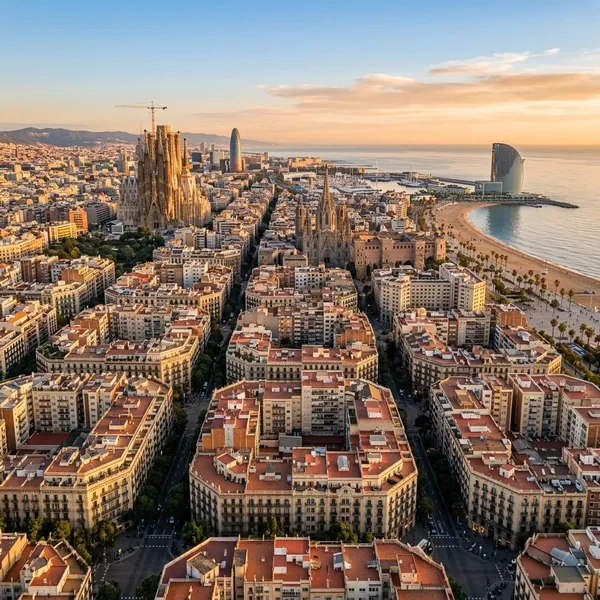
If you are choosing between Dominican Republic travel spots, start with the kind of trip you actually want: easy beach resort, culture, nature, water sports, or a slower coastal stay. Punta Cana is the simplest first-time choice, but it is not automatically the best fit if you want history, quieter beaches, mountains, or a more independent trip.
What are the best places to visit in the Dominican Republic?
The best place to visit depends less on which destination is "most famous" and more on how you want your days to feel. A couple wanting a low-effort winter resort break should probably choose differently from a traveler who wants colonial streets, waterfalls, or kitesurfing lessons.
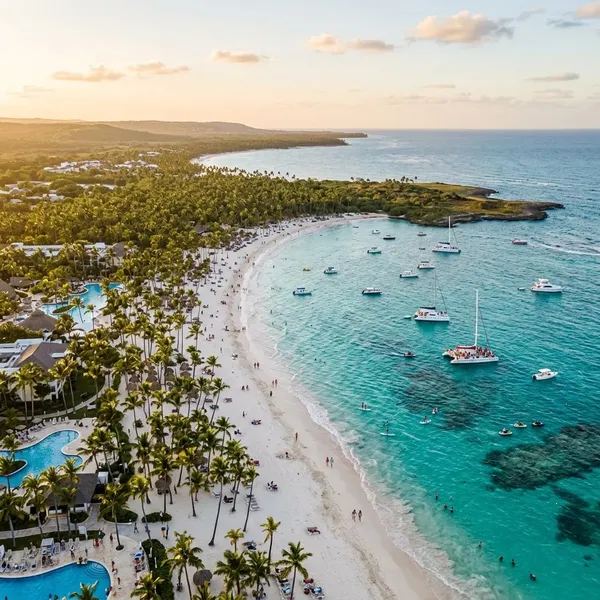
Punta Cana for easy resort vacations
Punta Cana is the safest pick when convenience matters most. It has many direct flights, a large choice of all-inclusive resorts, and transfers that are usually straightforward compared with more remote regions.
Pick it for a first trip, a family vacation, or a short escape where you do not want to solve transport and meal planning every day. Skip it as your only stop if you mainly want local neighborhoods, historic streets, or a strong sense of everyday Dominican life.
Santo Domingo for history and culture
Santo Domingo is the place to add when the trip needs more than beach time. The Colonial Zone gives you walkable streets, historic buildings, plazas, museums, restaurants, and nightlife that feel very different from the resort coast.
It works best as a one- or two-night contrast with a beach destination. If your whole trip is about swimming and resort ease, it may feel too busy; if you enjoy cities, it can make the country feel much more complete.
Samaná for nature and quiet beaches
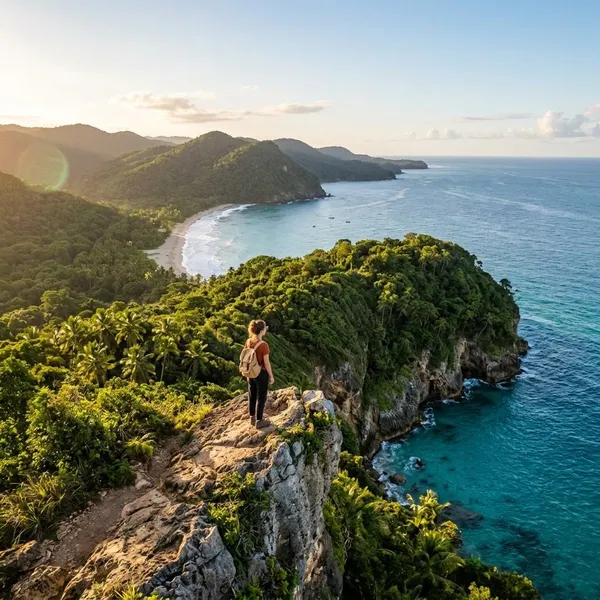
Samaná suits travelers who are willing to trade some convenience for scenery. Expect a greener peninsula feel, dramatic coastlines, palm-covered hills, beaches such as Playa Rincón, and seasonal whale watching in Samaná Bay.
The main thing to check before choosing Samaná is transfer time. It can be one of the most rewarding areas of the country, but it is better for travelers who do not mind longer road travel and a slower, less packaged rhythm.
Puerto Plata for beaches and activities
Puerto Plata is a good middle ground if you want beach time but know you will get restless staying only at a resort. The north coast gives you access to beaches, Mount Isabel de Torres, nearby towns, and day trips without feeling as self-contained as Punta Cana.
Be picky about where you stay, because beach feel can vary by area. For travelers who like excursions, town access, and a bit more movement, that trade-off can be worth it.
Bayahibe for relaxed beach stays
Bayahibe is a strong choice for calm, relaxed beach days on the Caribbean side. The water often feels gentler than Atlantic-facing areas, and the mood is quieter than the larger resort zones.
This is a good fit if your ideal day is swimming, reading, taking a boat trip to Saona Island, and returning to a peaceful base. It is less suited to travelers who want big nightlife or a packed activity schedule.
Jarabacoa for mountain adventures
Jarabacoa gives you the Dominican Republic without the beach-resort frame: cooler mountain air, rivers, waterfalls, hiking, and rafting. It is especially useful on a longer itinerary when you want a real change of scenery after several days on the coast.
Do not choose it as a beach substitute. Choose it because you actively want mountains, outdoor activities, and a quieter highland setting.
Cabarete for water sports
Cabarete is the best fit for travelers who want their beach days to be active. Kitesurfing, windsurfing, surfing, lessons, gear rentals, and beachfront restaurants shape the whole town's personality.
If your priority is calm floating water, look elsewhere. If you want wind, movement, casual nightlife, and a social outdoorsy atmosphere, Cabarete is one of the clearest choices in the country.
Las Terrenas for laid-back beach life
Las Terrenas is for travelers who want pretty beaches without feeling locked into a large resort. Boutique hotels, restaurants, beach hopping, and a local-meets-international atmosphere make it popular with couples, repeat visitors, and remote-work-style stays.
It is not the most effortless option if you want one airport transfer and everything handled for you. It is better when flexibility and atmosphere matter more than full-package convenience.
When is the best time to visit the Dominican Republic?
December through April is usually the easiest window for reliable beach weather, especially if you are escaping winter and want sun to be the main feature of the trip. Outside that period, the Dominican Republic can still work well, but you should plan with more flexibility around rain, prices, and storms.
Peak season for reliable beach weather
Peak season usually offers the most predictable beach conditions, but it also brings higher prices and busier resorts. If this is a honeymoon, family holiday, or once-a-year winter trip, paying more for stronger weather odds may be sensible.
Shoulder season for fewer crowds
Shoulder season can be the better value choice if you are flexible. Late spring and some early-summer periods may still bring plenty of usable beach time, with fewer crowds and softer hotel rates than peak winter.
This works well for adults, couples, or repeat visitors who do not need perfect conditions every day. If your trip depends on flawless weather for a special event, peak season is still the safer bet.
Wetter months for lower-demand travel
Lower-demand months can be worth considering when price matters more than guaranteed sunshine. Tropical rain may come in bursts rather than ruining an entire day, but you should not plan as if every afternoon will be clear.
Choose a hotel you would still enjoy during a rainy spell, keep excursions flexible, and avoid building an itinerary where one bad-weather day ruins the whole plan.
Hurricane season for extra weather planning
Hurricane season runs from June through November, so travel during this period needs a more cautious booking style. That does not mean every trip is risky, but it does mean you should watch forecasts and avoid nonrefundable plans that would hurt to change.
Change-friendly flights, flexible hotel terms, and suitable travel insurance are more important in this window. If you are a nervous traveler or planning a high-stakes occasion, choose a more predictable season instead.
How many places should you visit in one trip?
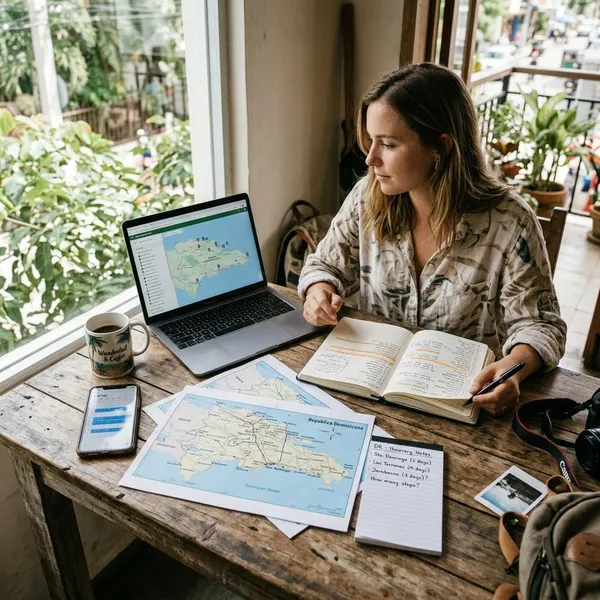
Most trips work best with one to three places, not a long list of stops. The mistake many travelers make is underestimating how much time transfers, check-ins, traffic, and repacking take away from the actual vacation.
One destination for a short beach break
Stay in one place if you have three to five nights. Punta Cana and Bayahibe are especially good for this kind of trip because the goal is simple: arrive, unpack once, and spend as much time as possible on the beach.
Two destinations for a one-week trip
Two stops is usually the sweet spot for a week. You might pair Punta Cana with Santo Domingo for beach plus culture, or Puerto Plata with Jarabacoa for coast plus mountains.
A good rule: if the second destination does not clearly add a different experience, do not move hotels just to say you saw more places.
Three destinations for a longer trip
Three destinations can work once you have about 10 days or more. At that point, a city-beach-nature route can feel varied instead of rushed.
- For culture and beach: Santo Domingo, Bayahibe, and Samaná.
- For active travel: Puerto Plata, Cabarete, and Jarabacoa.
- For a slower route: choose three places that connect naturally, not three far-apart names from a wish list.
Fewer stops for a slower travel pace
If your main reason for going is to rest, fewer stops will almost always feel better. A slow trip gives you room for long lunches, repeat beach visits, weather changes, and days where you do not have to be anywhere at a certain time.
This is especially true for families with kids or anyone arriving after a long flight. One comfortable base can beat three "must-see" places if every move costs half a day.
How do you plan a Dominican Republic trip?
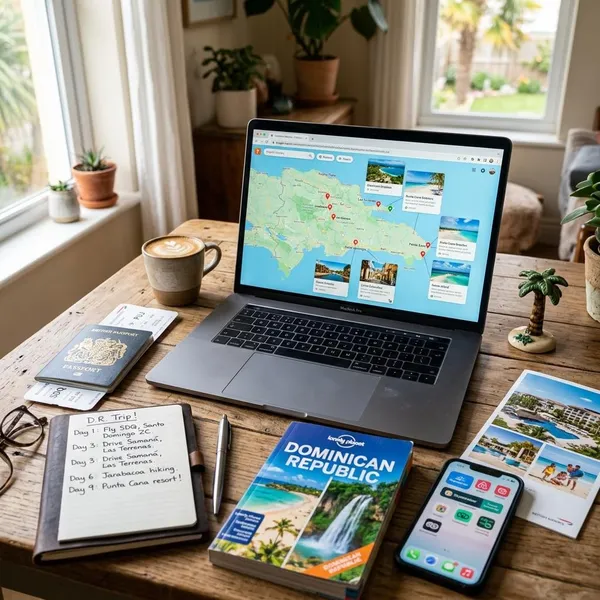
Plan the trip in this order: travel style first, number of days second, transport third. If you choose destinations only from photos, you can easily end up with a route that looks exciting on a map but feels tiring once you are there.
Choose destinations by travel style
Start with one main priority, then add a second only if you have enough time. Trying to make one trip equally about resorts, culture, waterfalls, nightlife, surfing, and quiet beaches usually creates a scattered itinerary.
- Low-effort beach trip: Punta Cana or Bayahibe.
- Culture before beach: Santo Domingo plus one coastal stop.
- Nature and scenery: Samaná or Jarabacoa.
- Active beach days: Cabarete or Puerto Plata.
- Independent coastal stay: Las Terrenas.
Decide how many days you have
Your trip length should set the ceiling for how ambitious the route becomes. Four nights is a one-base trip. Seven nights can handle two places if the transfer makes sense. Ten nights or more gives you room to add a third stop without turning every other day into a travel day.
Check travel time between destinations
Before booking hotels, check realistic travel time between regions, not just distance on a map. A route that looks easy can still eat up most of a day once you include pickup time, traffic, rest stops, and hotel check-in.
This matters most when you are changing coasts, traveling with children, or arriving late in the day. If a transfer leaves you with only an evening in the next destination, that stop may not be worth it.
Plan transport before changing regions
Sort out transport before locking in a multi-region itinerary. Private transfers are usually easiest, shared shuttles may save money but add time, and rental cars give flexibility only if you are comfortable driving in unfamiliar conditions.
- Choose the best arrival airport for your first stop.
- Put destinations in a logical order.
- Price the transfer before booking each hotel.
- Cut a stop if transport costs or travel time feel out of proportion.
Leave room for beach and rest days
Leave open time on purpose. The Dominican Republic is not a trip where every hour needs a tour, especially if you are staying near the coast.
A practical balance is to avoid scheduling major excursions on both sides of a long transfer day. Keep at least one flexible beach or pool day near the end, so the trip does not finish with rushing, packing, and traffic.
Conclusion
The right Dominican Republic choice is the one that matches your pace, not the one that appears on the most lists. Choose Punta Cana for ease, Santo Domingo for culture, Samaná or Las Terrenas for scenery, Bayahibe for calm beach time, Puerto Plata for variety, Jarabacoa for mountains, and Cabarete for water sports; then keep the route simple enough that you actually enjoy being there.