For a first trip to Barcelona, make the big choices early: stay somewhere central, book the Gaudí sights you care about most, and plan for pickpocket awareness without letting it dominate the trip. Eixample is usually the easiest base, 3 to 4 days is enough for most visitors, and you do not need a car.
Where should you stay in Barcelona?
Your neighborhood affects the whole trip more than many first-time visitors expect. The best area is not simply the one closest to the old town; it depends on whether you want easy sightseeing, beach time, nightlife, quieter evenings, or better hotel comfort.
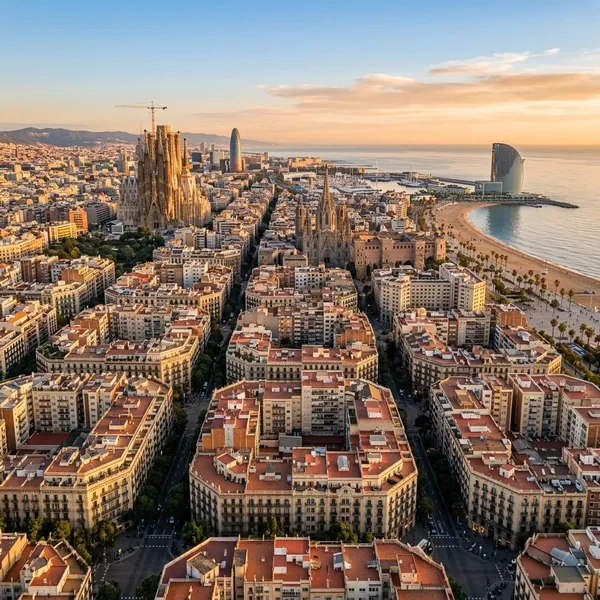
Eixample for a central first-time base
Eixample is the safest all-around choice for most first-time visitors because it is central, orderly, and well connected. It works especially well if you want a comfortable hotel, easy Metro access, and a simple route to sights like Sagrada Família, Casa Batlló, and La Pedrera.
The trade-off is atmosphere. Eixample feels more elegant and practical than medieval or bohemian, so choose it if convenience matters more than staying inside the oldest streets.
Gothic Quarter for history and atmosphere
Choose the Gothic Quarter if you want to step outside into narrow lanes, stone buildings, small squares, and the classic old-city feel. It is a good fit for a short 2- or 3-night stay where atmosphere is part of the reason you came.
Be more selective with hotels here. Older buildings can mean smaller rooms, limited elevators, and more street noise, and the busiest pedestrian areas need extra care with phones and wallets.
Gràcia for a quieter local feel
Gràcia suits travelers who prefer neighborhood cafés, small plazas, independent shops, and evenings that do not revolve around tourist crowds. It is a better choice for a slower 4- or 5-day stay than for a rushed first visit where every minute of sightseeing time matters.
El Born for food and nightlife
El Born is a strong pick if restaurants, wine bars, boutiques, and evening energy are high priorities. You can walk to parts of the old town, Ciutadella Park, and the Gothic Quarter, which makes it feel lively without being completely impractical.
Weekend noise is the main downside. If you are a light sleeper, check reviews for soundproofing rather than relying only on the neighborhood name.
What are the best things to do in Barcelona?
The best first Barcelona itinerary balances famous landmarks with time to wander. If you only chase timed tickets, the trip can feel rushed; if you skip planning completely, you may miss the sights that need advance booking.
For most visitors, Sagrada Família should be the first ticket to secure. Park Güell and one Gaudí house are the next decisions, then you can fill the rest with neighborhoods, food, Montjuïc, and the waterfront.
Visit Sagrada Família
Sagrada Família is the one major sight I would not leave to chance. Book a timed entry before your trip, especially from spring through early fall, because the best times can sell out.
A basic interior ticket is enough for many travelers. Add tower access only if you are comfortable with heights, stairs, and a higher ticket price; the basilica itself is already the main event.
Explore the Gothic Quarter
The Gothic Quarter is best enjoyed slowly, not as a checklist. Give yourself time to wander between the cathedral, small squares, side streets, and tapas bars without trying to turn every corner into a scheduled stop.
Early morning is better for quieter photos, while evening has more atmosphere. Midday can feel crowded, so keep your phone zipped away when you are checking maps or walking through tight streets.
Walk through Park Güell
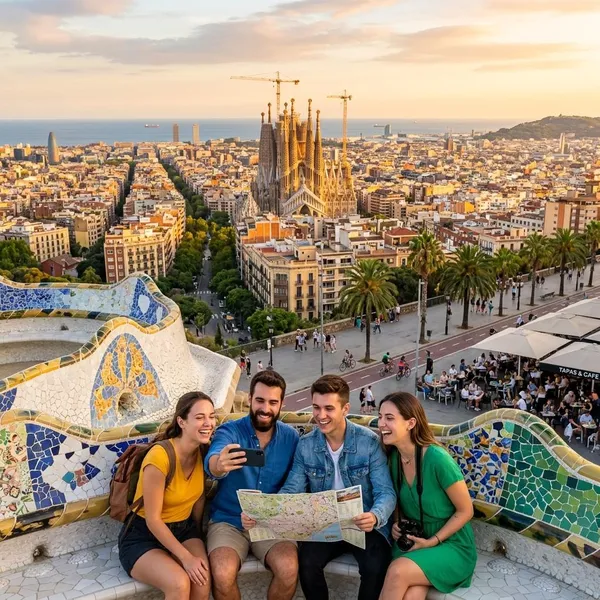
Park Güell is worth visiting for Gaudí's colorful design and the views over the city, but it needs a little planning. The famous monumental area requires a ticket, and the park sits uphill, so comfortable shoes matter.
If you are visiting in summer or traveling with someone who gets tired easily, go early and consider using a taxi or bus for part of the route. This is one place where "we'll just walk there" can become more effort than expected.
See Casa Batlló or La Pedrera
If your budget only allows one Gaudí house, choose based on the experience you want. Casa Batlló feels more colorful and theatrical, while La Pedrera feels more architectural and has a memorable rooftop.
- Pick Casa Batlló for bold interiors and a more immersive feel.
- Pick La Pedrera for rooftop views and a calmer design focus.
- Skip both if paid attractions are already stretching your budget; see the façades from outside instead.
Spend time around Barceloneta
Barceloneta is useful as a reset between heavier sightseeing days. Walk the promenade, sit near the water, or plan a casual seafood meal if you want the trip to feel less museum-heavy.
In July and August, avoid treating the beach like a quiet escape during peak midday. Mornings and late afternoons usually feel more pleasant, especially if you do not enjoy crowded sand.
Visit Montjuïc
Montjuïc gives you views, gardens, museums, Olympic sites, and more breathing room than the old town. It is a good half-day option when you want a change from narrow streets and packed attractions.
You do not need to cover the entire hill. Choose one main focus, such as the castle, the National Art Museum of Catalonia, or a scenic walk, then leave room for the journey back down.
How much does a trip to Barcelona cost?
Barcelona can be reasonable or expensive depending mostly on lodging, season, and paid attractions. Public transport and casual food can be good value, but central hotels and popular tickets add up quickly.
Think of the budget in daily layers: where you sleep first, then how many paid sights you book, then meals and extras. Flights are too variable to include in a useful daily estimate.
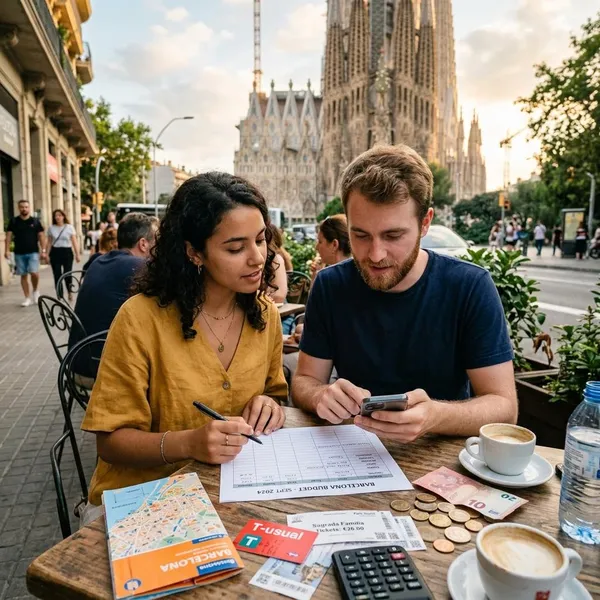
Budget travelers can save with hostels and public transport
Budget travelers can keep costs lower by staying in hostels or simple guesthouses, using the Metro, and mixing free wandering with only a few paid sights. A rough daily range of about $90 to $160 per person, excluding flights, is possible when accommodation costs are controlled.
The biggest mistake is booking cheap lodging far from useful transit. A slightly better-located hostel can save time, taxi money, and frustration.
Mid-range travelers spend more on hotels and paid attractions
Most first-time visitors land in the mid-range category, often around $180 to $320 per person per day before flights. That usually covers a comfortable hotel, public transport, several major attractions, and a mix of casual and nicer meals.
Couples sharing a room often get better value than solo travelers. If you are traveling alone, the hotel portion can push your daily cost up faster than food or transit.
Higher-end trips cost most in central hotels and dining
Higher-end trips become expensive mainly through central hotels, rooftop bars, tasting menus, private tours, and premium ticket options. Around $350 per person per day and up is a realistic starting point, with luxury stays going much higher.
How can you stay safe in Barcelona?
Barcelona is generally safe for tourists, but petty theft is common enough that you should build better habits from the first day. The goal is not to be nervous; it is to stop making yourself the easiest target in a crowd.
The main risk areas are busy transit, La Rambla, the Gothic Quarter, crowded markets, beach areas, and the streets around major sights. Violent crime is not what most visitors worry about, but losing a phone or passport can ruin a day fast.
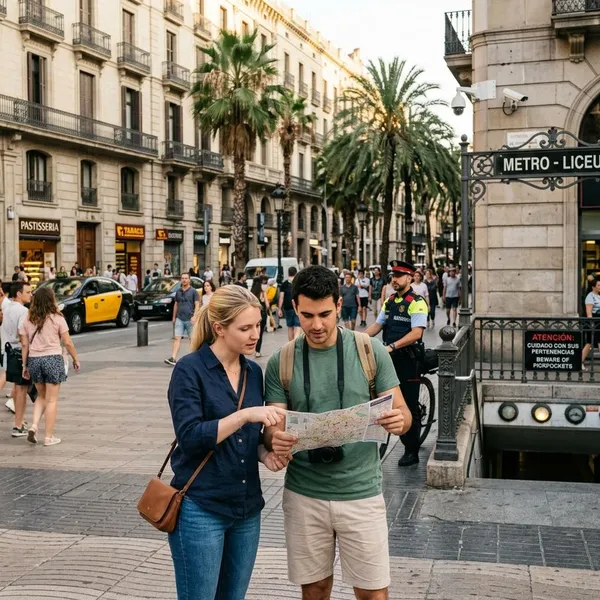
Keep valuables secure in crowded areas
Use a zipped crossbody bag or a secure front pocket, and carry only what you need for the day. Leave your passport, backup card, and extra cash in your hotel safe when possible.
This matters most in low-attention moments: watching a street performer, taking a photo, standing in a market, or walking through a packed square.
Watch your belongings on public transport
On the Metro and buses, keep your bag in front of you and your phone out of your back pocket. Doors, escalators, and crowded platforms are the moments to be most alert.
- Before boarding: zip your bag and put your phone away.
- Near doors: be aware of people standing unusually close.
- Before exiting: check phone, wallet, and bag in one quick glance.
Be extra careful around major tourist sights
Areas around Sagrada Família, Park Güell entrances, La Rambla, and the Gothic Quarter attract crowds and distractions. Keep moving if someone pushes a petition, trinket, or overly friendly conversation toward you while another person stands close.
You do not need to avoid these places; just avoid multitasking with valuables exposed. Step aside somewhere calmer before opening maps, counting cash, or changing camera gear.
Concluson
Barcelona is easiest when you keep the plan simple: choose a base that matches your travel style, book the few sights that truly need tickets, and leave enough unscheduled time for neighborhoods, food, and the waterfront. If it is your first visit and you want the least complicated setup, stay in Eixample, use public transport, and treat pickpocket prevention as a normal city habit rather than a reason to worry.